September 11, 2026
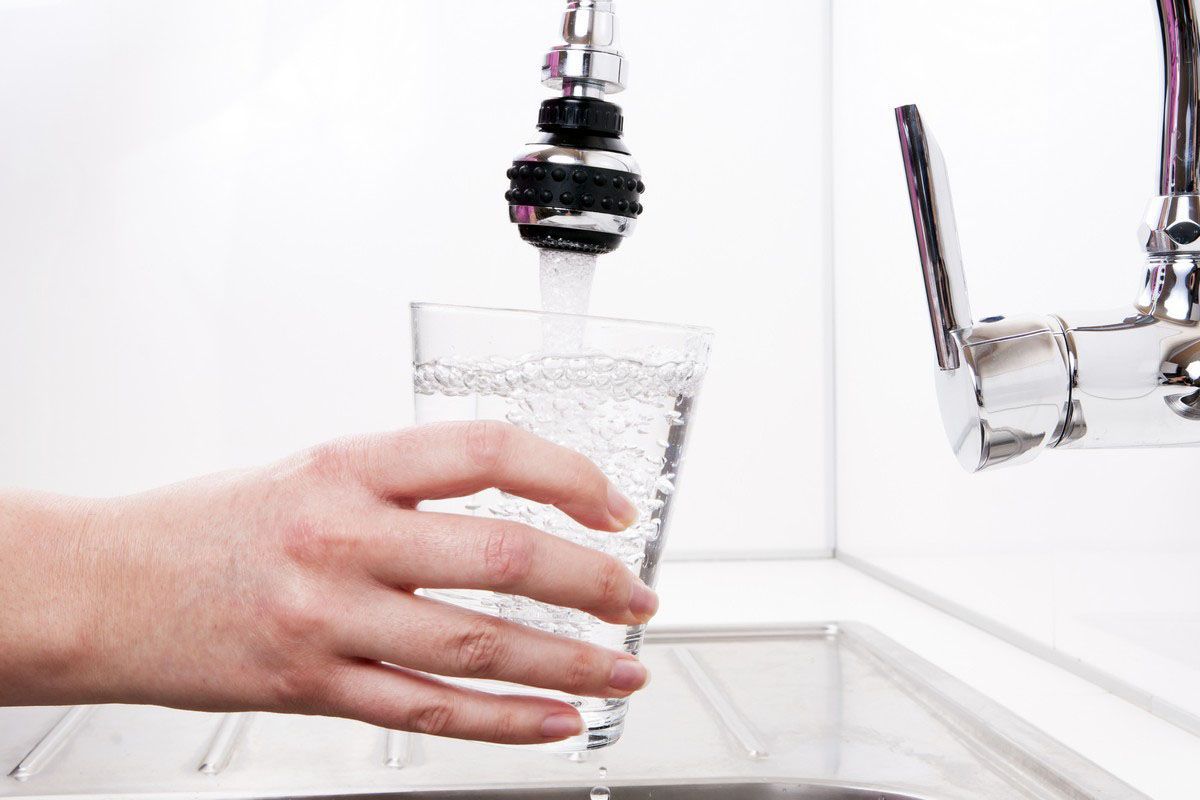
Water is the foundation of life, yet the quality flowing from your taps is not always guaranteed to be pristine. Whether your home is connected to a municipal supply or relies on a private well, invisible intruders can easily find their way into your daily drinking supply. According to the Centers for Disease Control and Prevention, more than two billion people worldwide do not have access to safely managed drinking water at home. While this global statistic is staggering, issues with water quality can still happen in our own backyards. Unwanted substances in your plumbing affect everything from the taste of your morning coffee to the health of your family and the longevity of household appliances. This is exactly where a reliable water filtration system steps in to save the day. By utilizing modern technology, these systems pull out a wide variety of impurities.
1. Iron
If you have ever noticed stubborn, reddish-brown stains on your sinks, toilets, bathtubs, or light-colored laundry, iron is likely the culprit. Iron is an extremely common element found in the earth's crust, making it a frequent visitor in residential wells. When rain seeps into the ground, it dissolves iron from the soil and rocks, carrying it directly into underground aquifers. High iron levels not only cause unsightly stains but also give your tap water a harsh, metallic taste that makes drinking unpleasant. Furthermore, excessive iron can lead to buildup inside your pipes, which eventually restricts water flow and causes premature wear on your plumbing fixtures. Fortunately, professional iron, sulfur, and manganese removal services tackle this exact problem. By installing specialized water filtration equipment, you effectively capture and oxidize dissolved iron before it reaches your faucets, keeping your porcelain surfaces completely free of rust-colored blemishes and restoring the crisp taste of your drinking water.
2. Sulfur
Few things are quite as jarring as turning on the shower in the morning and being greeted by the pungent smell of rotten eggs. This highly unpleasant odor is the unmistakable calling card of hydrogen sulfide gas, commonly referred to as sulfur. Sulfur bacteria naturally occur in groundwater, where they feed on organic matter and produce hydrogen sulfide gas as a byproduct. While sulfur in residential supplies is not generally considered a severe health hazard, it makes taking a bath, washing dishes, or drinking a glass of water an offensive experience. In addition to the terrible smell, sulfur can corrode plumbing components over time, leading to leaks and expensive repairs. Through targeted iron, sulfur, and manganese removal processes, a high-quality water filtration setup oxidizes and traps the gas. Addressing this issue promptly eliminates the terrible odor and protects your plumbing infrastructure from the hidden damage caused by ongoing corrosion.
3. Manganese
Often found right alongside iron, manganese is another naturally occurring mineral that can wreak havoc on your daily routine. While iron leaves reddish stains, manganese is known for leaving behind dark brown or black stains on plumbing fixtures and freshly washed clothing. It can also impart a bitter, metallic flavor to your tap water, ruining the taste of cooked foods and beverages. Consuming high levels of manganese over long periods may pose certain neurological health risks, particularly for young children and infants. Because manganese and iron share similar chemical properties, they are usually addressed together. Comprehensive iron, sulfur, and manganese removal strategies are designed to filter out these bothersome minerals simultaneously. When you implement a whole-home filtration system, you can rest assured knowing that these frustrating stains will become a thing of the past. Your laundry will look brighter, your sinks will remain spotless, and your family will enjoy safer water every single day.
4. Per- and Polyfluoroalkyl Substances
Per- and polyfluoroalkyl substances, widely known as PFAS, are a massive group of synthetic chemicals utilized in industrial manufacturing and consumer goods for several decades. These chemicals are famous for their ability to resist heat, oil, and water, which makes them useful for products like non-stick cookware and stain-resistant fabrics. However, because they do not break down easily in the environment, they have earned the nickname forever chemicals. Over time, these chemicals migrate into soil and water supplies, eventually ending up in residential faucets. Exposure to high levels of these artificial compounds has been linked to numerous adverse health outcomes. To combat this modern threat, many homeowners turn to advanced solutions like reverse osmosis systems. Reverse osmosis works by pushing water molecules through a highly advanced semi-permeable membrane, leaving larger chemical compounds behind. With dedicated PFAS and contaminant removal strategies in place, you successfully pull these invisible, persistent chemicals out of your daily drinking supply.
5. Harmful Bacteria
While municipal supplies are heavily treated to kill off biological threats, families relying on private wells must remain vigilant against microbiological hazards. Heavy rainfall, agricultural runoff, and compromised septic systems can introduce harmful bacteria into an underground aquifer. Consuming water contaminated with dangerous bacteria like E. coli or coliform can result in severe gastrointestinal illness, stomach cramps, and other serious health complications. Because you cannot see, smell, or taste these microscopic threats, regular bacteria and contaminant testing is crucial for any private well owner. Once testing confirms the presence of biological hazards, a powerful water filtration protocol must be implemented immediately. One of the most effective methods for neutralizing biological threats is the use of UV disinfection systems. Ultraviolet light penetrates the cellular walls of these microorganisms, rendering them completely harmless and unable to reproduce. When paired with whole-home filtration, UV technology provides a powerful barrier against invisible organic intruders, ensuring every drop is safe.
6. Hard Water Minerals
While calcium and magnesium are not toxic to human health, their presence in high concentrations creates what is commonly known as hard water. Hard water is a frustrating nuisance that impacts almost every aspect of your daily life. It leaves crusty, white scale deposits on your showerheads, diminishes the lathering ability of your soaps, and makes your hair feel dry and brittle. More importantly, calcium and magnesium build up inside your water heater, dishwasher, and washing machine, significantly reducing their efficiency and forcing you to replace them much sooner than expected. If hardness and mineral testing reveals elevated levels in your home, water softening and conditioning is the most effective remedy. While technically distinct from standard water filtration, softening systems use an efficient ion exchange process to swap out rigid calcium and magnesium ions for harmless sodium ions. By implementing hard water solutions, you protect your appliances, enjoy softer skin, and eliminate scale buildup.
Understanding what flows from your faucets is the first step toward creating a healthier living environment. Whether dealing with the harsh metallic taste of iron, the awful smell of sulfur, the silent threat of modern forever chemicals, or the damaging effects of calcium buildup, modern technology offers a permanent fix. Proactive water testing and analysis will accurately identify the specific impurities plaguing your property, allowing for a customized approach to your needs. Investing in a robust water filtration setup gives you peace of mind, knowing every glass you pour is clean, refreshing, and free of harmful substances. When you are ready to upgrade your property, implement reverse osmosis systems, or secure comprehensive well and pump services, a local professional can guide you through every step. For expert assistance and customized treatment solutions, contact Sanford Water Works today!